Quick Tips on How To Prepare for a Tarangire Safari
Stories: ALL | ADVICE | EXPEDITIONS | DESTINATIONS | NEWS | PROJECTS
Tarangire Safari Travel Guide
A Quick Travel Guide for a Tarangire Safari
Tarangire Safari Travel Advice Links:
What is Special About a Tarangire Safari? | When To Go | What To Pack for a Tarangire Safari | Tarangire Safari Activities | Tarangire FAQs |
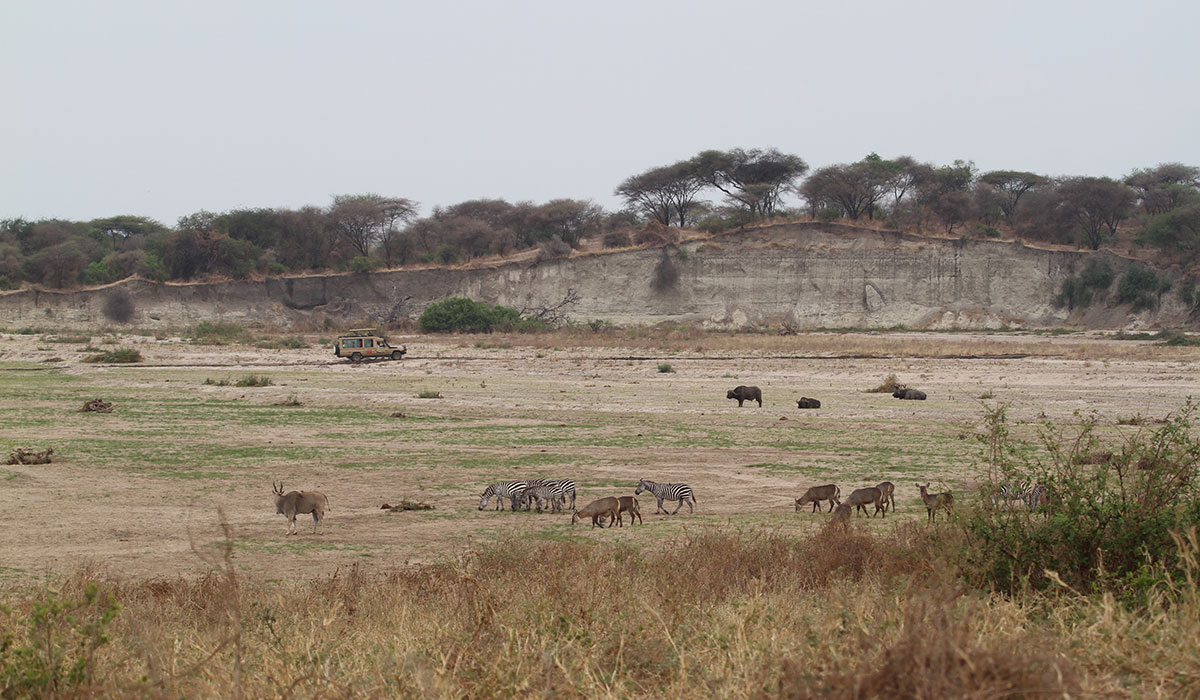
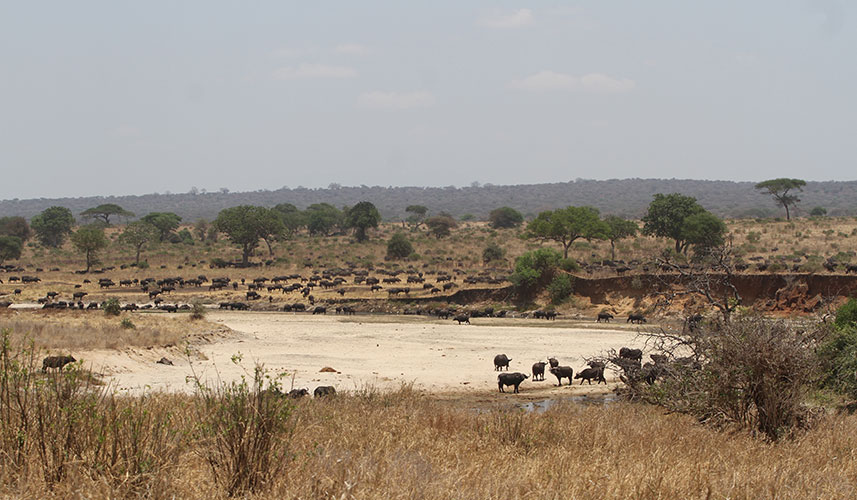
When people talk about Tanzania's northern safari circuit, many don't go beyond the pull of the Serengeti and Ngorongoro Crater. A Tarangire safari adds yet another dimension to any Tanzania safari itinerary. Hidden in plain sight, this under-rated park is home to Tanzania's largest elephant population. It also has a migration of its own during the dry season, when wildlife from beyond the park borders move in large numbers to the Silale Swamp - the most reliable water source in the area. The diverse ecosystems of the park include landscapes dotted with baobabs, diverse woodland, sprawling savanna, and the life-giving Tarangire River and Silale Swamp wetland.
Shop Safari & Travel Clothing >
What is Special About a Tarangire Safari?
- Generally Quieter Sightings: Tarangire National Park is one of Tanzania's lesser-known attractions - with so much to offer safari enthusiasts. Lower visitor numbers mean quieter sightings and a more remote, tranquil, and exclusive feeling as you explore. As with any park, heading away from prime game-viewing spots holds so much potential for special experiences.
- It Fits into Awesome Tanzania Safari Itineraries: Tarangire National Park is close to some of Tanzania's most famous safari attractions. This makes it logistically easy to visit if you are planning to go to Lake Manyara National Park, Serengeti National Park, and Ngorongoro Crater.
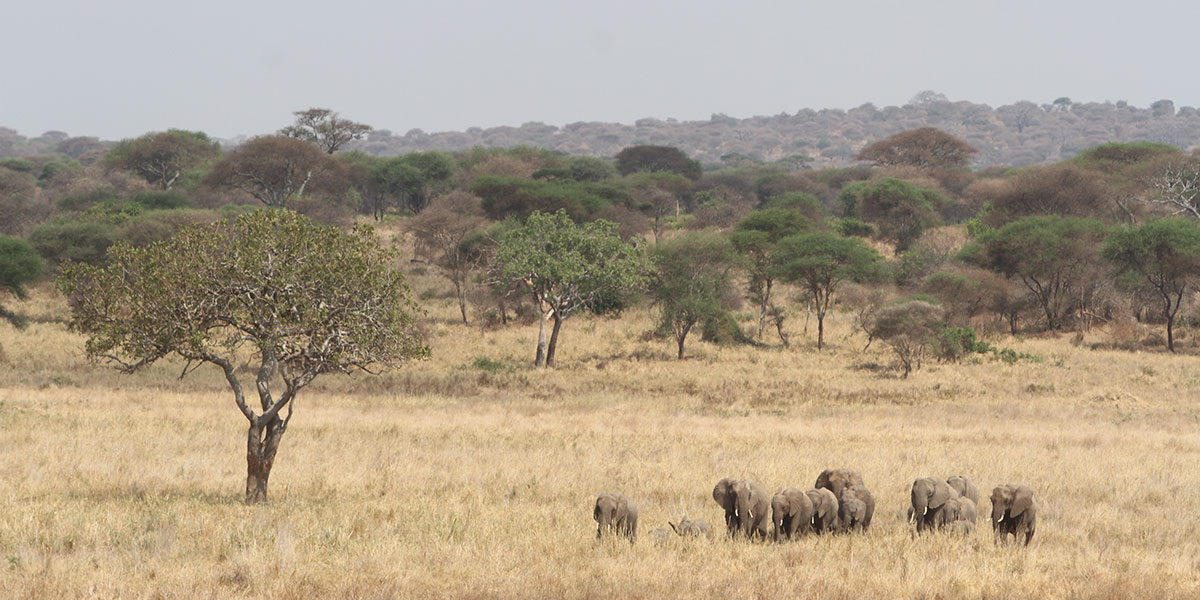
- It's an Elephant Paradise: Tarangire National Park is said to have the largest elephant herds in Tanzania - giving us a glimpse of Africa's mega-herds of yesteryear. During the dry season migration, herds of up to 300 elephants are known to descend on the Tarangire River and surrounds. This is a wonderful opportunity to observe the behaviour of these fascinating animals - from dust-bathing to full-body dunks, interactions within the herd, and the neck-bending gravitas of the biggest bulls.
- Contrasting Landscapes: During the dry season especially, Tarangire has an incredible juxtaposition of dryland bush and hard granite ridges with booming, electric green wetland. The park is also famous for its abundance of baobabs. These gnarly giants are iconic of Africa, dwarfing man and animal alike - a photographer's dream!
- The Tarangire Migration: Between July and October, the region's water supplies dwindle and wildlife in astounding numbers move into the park to the vital water sources of the Tarangire River and Silale Swamp. While not to the scale of the Serengeti's famous migration, conditions at this time of year draw tens of thousands of elephants, buffalo, plains game, and predators to this precious water source.
- Build Your Birding Checklist: Tarangire National Park is an exceptional birding destination, with around 550 species found in the park. The list includes endemic and near-endemic species, endangered bird species like the rufous-tailed weaver and yellow-collared lovebird, and Eurasion migrants in abundance. 'Special' species aside, bird sightings enrich every game-viewing experience.
When is the Best Time to Visit Tarangire National Park?
- July to October in Tarangire The best time for game-viewing in Tarangire National Park is during the dry season, when water sources in the region dry out and wildlife make their way to the Tarangire River. This is a great time to spot extensive plains game, as well as big game and predators. This is Tarangire's peak season, so expect higher visitor numbers and peak season pricing.
- November to February in Tarangire: November to February is the 'green season' in Tarangire and this time of year is largely rainy and wet. This off-peak period is more affordable, with striking, thick green bush and the presence of migratory birds. The park is accessible through this period, but some camps close as some roads are inaccessible and game-viewing is trickier.
- Tanzania's Short Rains (November to December): The end of the year is the start of Tanzania's short rains. This includes short showers throughout the day, with the potential for storms in the afternoons.
- Tanzania's Long Rains (March to May): The long rains in Tanzania typically mean slightly higher daytime temperatures and humidity and very wet conditions. There is a shoulder season between the two rainy seasons, which is drier with a chance of occasional rain and more moderate temperatures.
Tarangire Packing Advice:
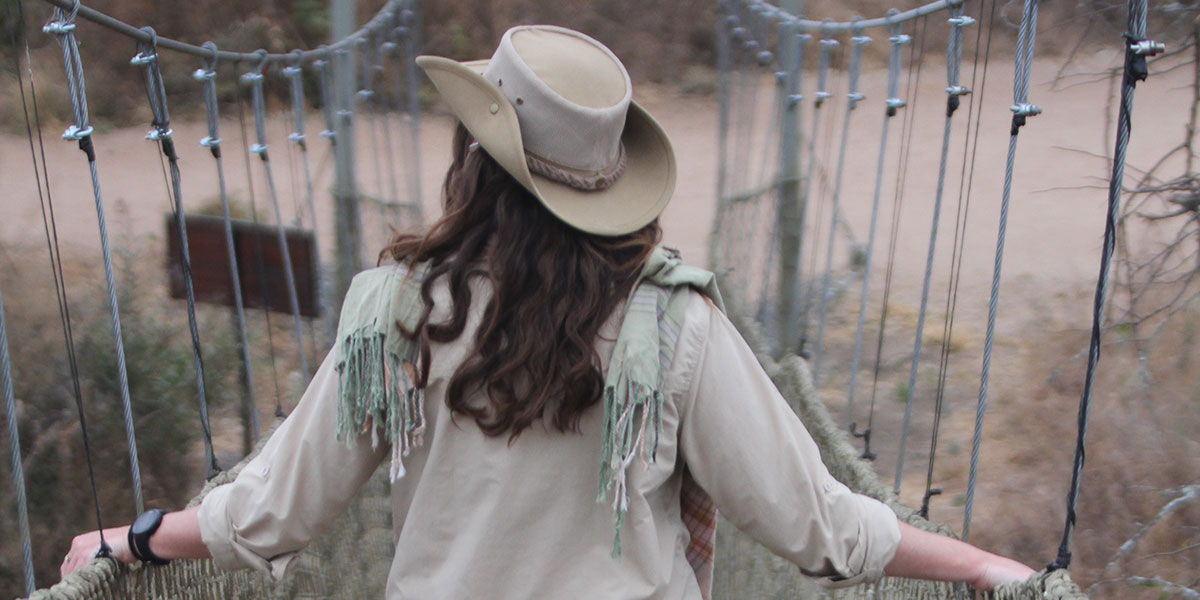
When packing for Tarangire, you need to factor in different layers for flexibility during the day on safari. Prioritise insect protection, UV protection, and dust-proofing with high-performance garments. Read our full Tarangire safari packing advice for in-depth expert tips and use our safari packing list tool to generate your own safari packing checklist.
What To Do in Tarangire
- Game Drives: The most relaxing way to explore Tarangire National Park is in the back of a game-viewer, guided by a professional guide. Visit the park's game-viewing hotspots and most exquisite sites, with the benefit of your guide's local knowledge and wildlife expertise.
- Walking Safaris: At ground level, everything changes on safari. Accompanied by field guides, track and observe wildlife and take in the detail of the bush on foot. This activity is not provided by every operator, so find out what is available before booking.
- Hot Air Balloon Safari: The scenic diversity of Tarangire is given a unique aerial perspective from a hot air balloon. This panoramic view of the park's wildlife, baobabs, and wetland areas is sure to be one of the highlights of your trip.
- Birdwatching: Tarangire is a birder's paradise. For twitchers and new birders, the more than 550 bird species in Tarangire include endemics, near-endemics, and endangered bird species. The different ecosystems provide a cross-section of avian delights, with exciting, exotic species to discover.
- Night Drives: Most predators are active after dark. Heading out for a night drive gives you a unique view into the after-dark behaviour of lions, hyenas, and leopards - with a chance to spot owls and bush babies. Night drives are offered by some camps, so find out if this is an offering before you book.
Tarangire Safari FAQs
- Where is Tarangire National Park?: Tarangire National Park is in the north of Tanzania, about 2 hours from the centre of Arusha. It is located within the Manyara region of the country, close to Lake Manyara, the Ngorongoro Conservation Area and the Ngorongoro Crater, and Serengeti National Park.
- How to Get to Tarangire National Park: Tarangire National Park is accessible by road or by air. It is about a 2-hour drive from Arusha and there is a good network of gravel roads for self-drivers and mobile safari operations. You could also fly into one of the main airports - or the smaller Manyara Airport - and get a road transfer. For fly-in safaris to Tarangire, charters fly into Kuro Air Strip.
- What Wildlife is There in Tarangire National Park?: Tarangire National Park is on par with some other big name safari destinations when it comes to wildlife. Home to the 'Big 5', there are also large populations of plains game, as well as cheetah, hyena, and wild dog. There are also plenty of fascinating small animal species, birds, and reptiles to look out for.
- Is there malaria in Tarangire National Park?: Tarangire is a high-risk malaria area. Make sure you consult your tour operator about recommended and required vaccinations and prophylaxes before you travel - and speak to your doctor if you have any concerns. It is also important to take precautions while you are there. This includes covering up in BUGTech™ anti-insect safari clothing and using a reliable insect repellent.
- How Many Days Do You Need in Tarangire?: While day trips into Tarangire National Park are available, we recommend taking a bit of extra time in the park if you can. Two to three nights is generally accepted as the minimum to really explore the park and optimise game viewing.
- Where To Stay in Tarangire National Park: Accommodation options in Tarangire National Park ranges from hotel-style lodges to luxury bush and tented camps. These are located inside the park, as well as in concessions outside the park boundary. There are also campsites for self-drivers. We had a magical stay at Oliver's Camp - an exquisite Asilia property close to Silale Swamp with luxurious safari tents, amazing staff, and all the details for an unforgettable experience.
Tarangire National Park Story
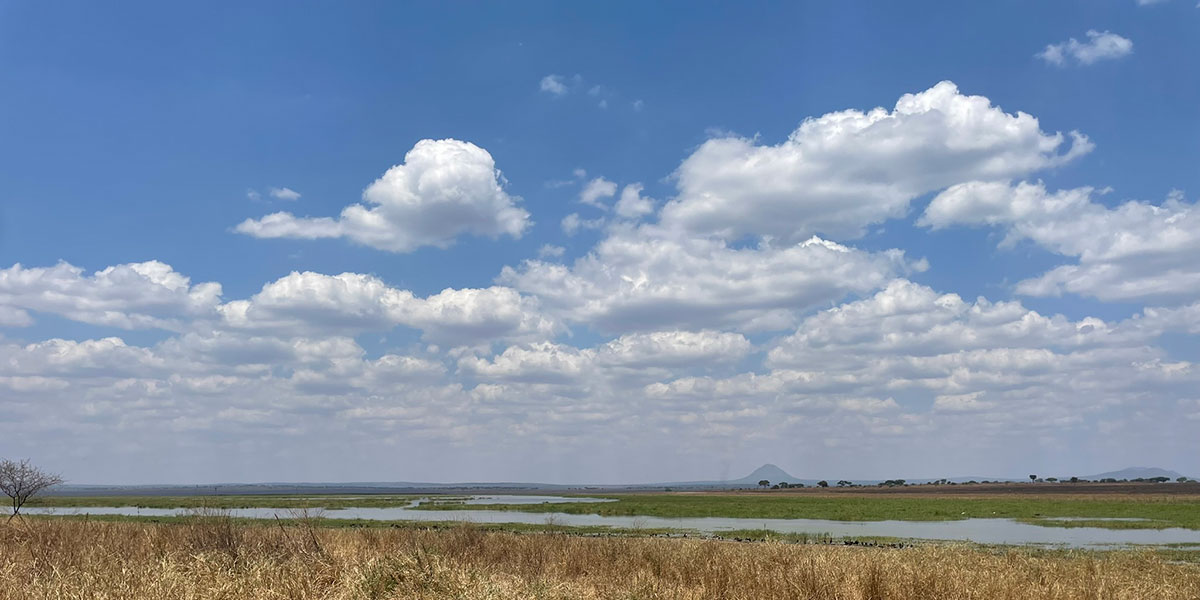
Read our Tarangire National Park story to find out more about our safari experience - from baobab-scapes to wetland wanderings and the dangling paws of sleeping cats. Get destination inspiration for this safari destination by reading our Tarangire safari story.
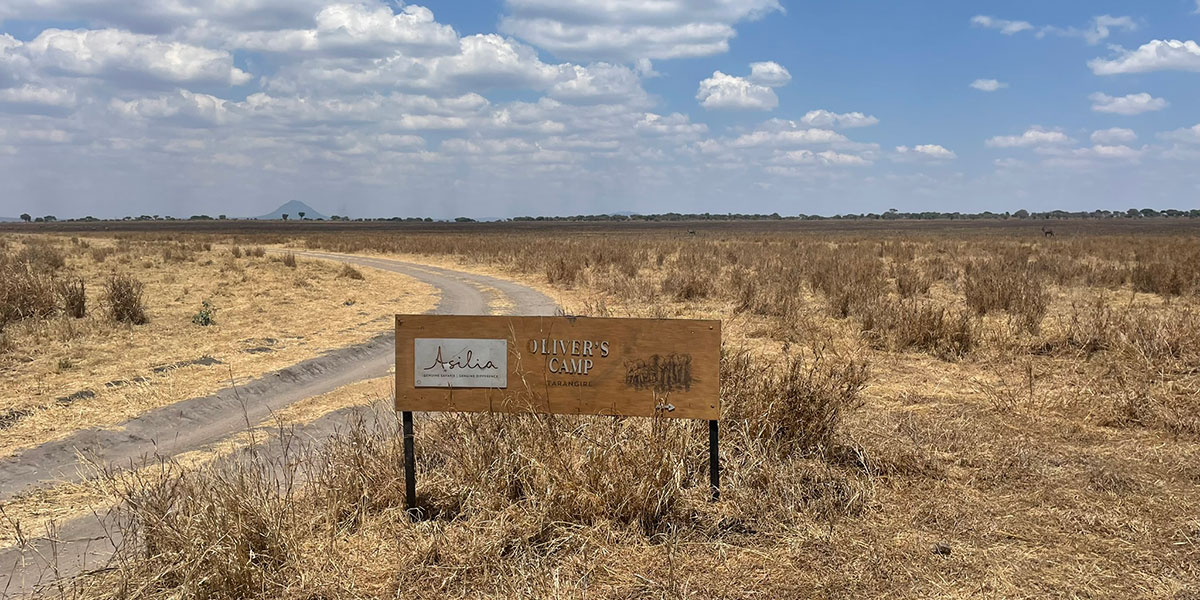
Where To Stay in Tarangire National Park
We were hosted by Asilia at Oliver's Camp. Oliver's Camp is tucked away in a remote section of bush near the Silale Swamp in Tarangire National Park. This is the perfect base for a Tarangire safari - with Asilia's hallmark warmth, attention, and hospitality. From the in-depth guiding knowledge to the delicious meals and comfortable tents, Asilia so perfectly balances wild experiences with safari comfort. There are, of course, other lodges in Tarangire National Park. Speak to your tour operator to explore the options.
Tanzania Links:
Quick Travel Tips for a Tarangire Safari | What To Pack for Tarangire National Park | Tarangire Destination Story | Ngorongoro Destination Story | What To Pack for Ngorongoro | Quick Travel Tips for Ngorongoro Crater | Serengeti Balloon Safari | The Great Wildebeest Migration | Serengeti National Park Overview | Southern Serengeti, the Ngorongoro Conservation Area, Ndutu, and Olduvai | Central Serengeti, Seronera, and Grumeti | Northern Serengeti, Kogatende, and the Mara River | Quick Travel Tips For Serengeti National Park | What To Pack For a Serengeti Safari | Steve's Top 5 Packing Tips for a Tanzania Safari