Great White Space: Makgadikgadi Pans

C. Fraser Claire

Otherworldly Safari Scenery on the World's Largest Salt Pans

Share this story: Facebook X LinkedIn Email
Long White Views and Zebra on the Move

Makgadikgadi Links:
Great White Space: Makgadikgadi Pans | What To Pack for Makgadikgadi Pans | Quick Travel Guide to Makgadikgadi Pans National Park

Makgadikgadi Salt Pan - by The Safari Store

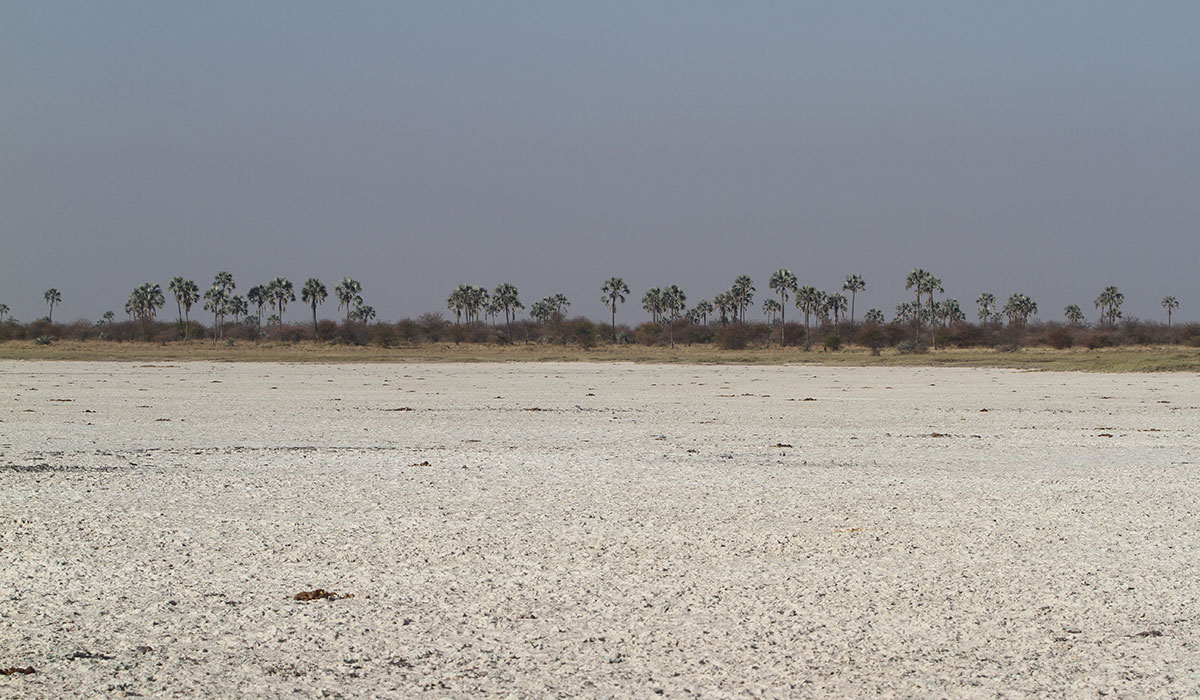
We were chasing daylight as we drove onto the road to Kubu Island (Lekhubu, as it’s locally known) – our campsite for the night in the Makgadikgadi Salt Pan. I’d looked at this dimple on the Southern African map for ages and here we were, a blue dot on the edge of this satellite view. We had been completely alone for hours. The track took us into this pure, flat alabaster and it felt like we were parting still waters. Once upon a time, in ancient Africa, we would have been.


The Makgadikgadi salt pan is the lakebed of what was once a super-lake in Southern Africa, Lake Makgadikgadi. It was as if Africa shifted in her sleep, with tectonic plates cutting off the lake’s feeding rivers and the lake’s waters slowly drained. While evidence of its shores is subtle in some parts of the region, we have been left with one of the largest salt pans in the world (two large pans surrounded by thousands of small pans). This lake is also geologically connected to the marvels of Victoria Falls, the Okavango Delta, and Chobe.

The car was silent, as if spilled white paint had covered the words, dyed by the last light of day. It was dark when we finally arrived at Kubu Island. We drove past baobabs illuminated in the golden glow of campfires and set up our small tent by torchlight. The night had gift wrapped the place in star-spattered paper that would be ripped open at dawn – a surprise.


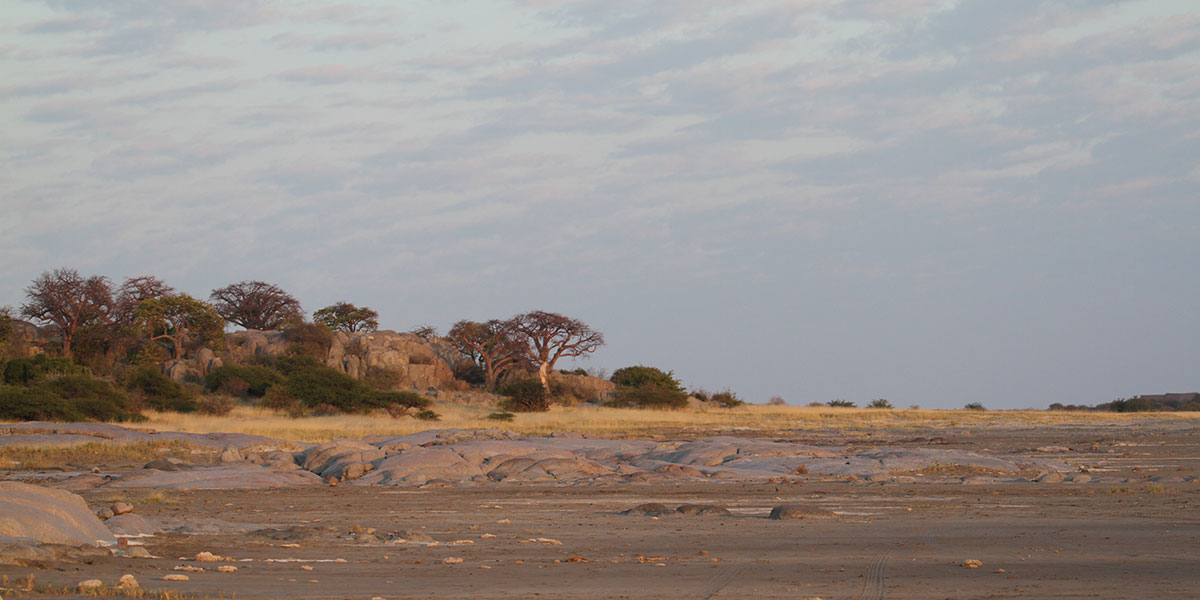
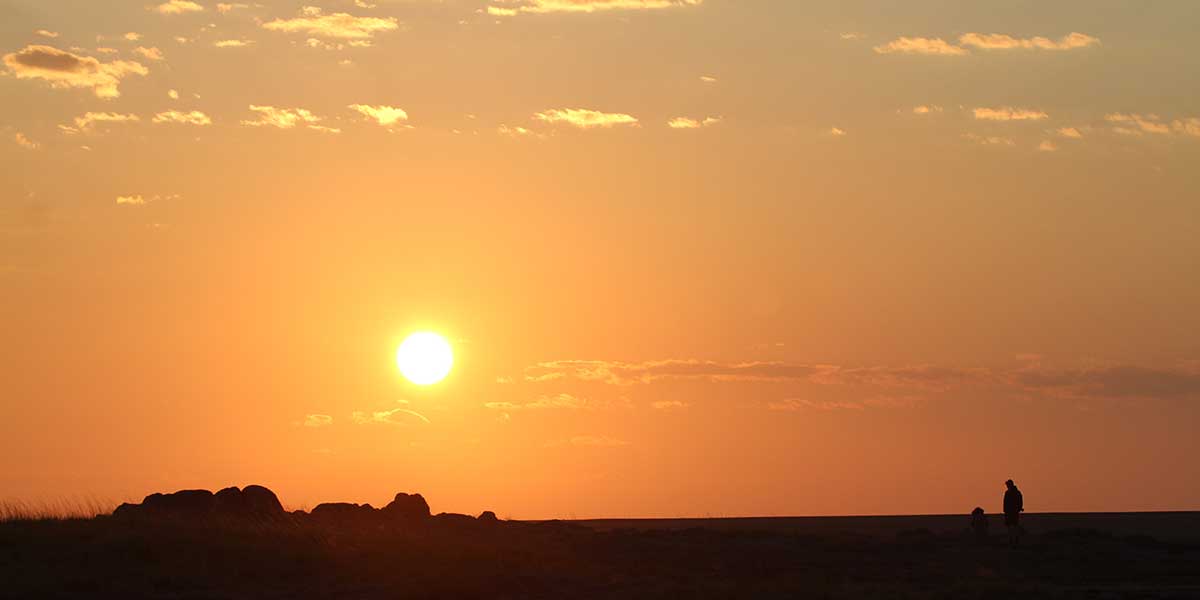
The aim: wake up in time for first light over the pan. We drove around Kubu Island’s rocky heights, with baobabs stretching crooked fingers to heaven and watched. We watched nothing but the sunrise, light punctured on the horizon and the flooding change of colour on bare, empty ground. In the dim first light of day, I walked into the pan. Something in the crunch of the ground and the breadth of the silence amplified my breath and steps and heartbeat. Some people may visit Makgadikgadi and think of moonscapes and otherworldliness. For me, it was wonder that such a place was so anciently connected to the jungles, deserts, rivers, and waterfalls of Africa today. →


Find Out What To Pack >


Kubu Island, Makgadikgadi Pans National Park - by The Safari Store

Kubu Island
Hippo-back rocks and tree islands in a land of otherworldly flatness.

Shop Safari Binoculars >


Makgadikgadi Pans at the Boteti River - by The Safari Store


This history makes Lekhubu as an island particularly apt. It is said that the rocks are more than two billion years old. Makgadikgadi is said to mean ‘large, lifeless land’. This archipelago of rocks rises from this bare ground in defiance of this notion that makes history hold its breath. Instead, Lekhubu pays homage to the watery origins of the place – a name that conjures hippos’ backs rising from the surface of water.


The salt pans are not all that Makgadikgadi National Park has to offer. While the expansive Ntwetwe Pan is one of its compass points, the Boteti River forms the border in the west. This water source prompts seasonal movement through the park – hosting herds of elephants and Botswana’s famous zebra migration. There is a stark difference between the open nothingness of the pans and the landscapes around the Boteti.


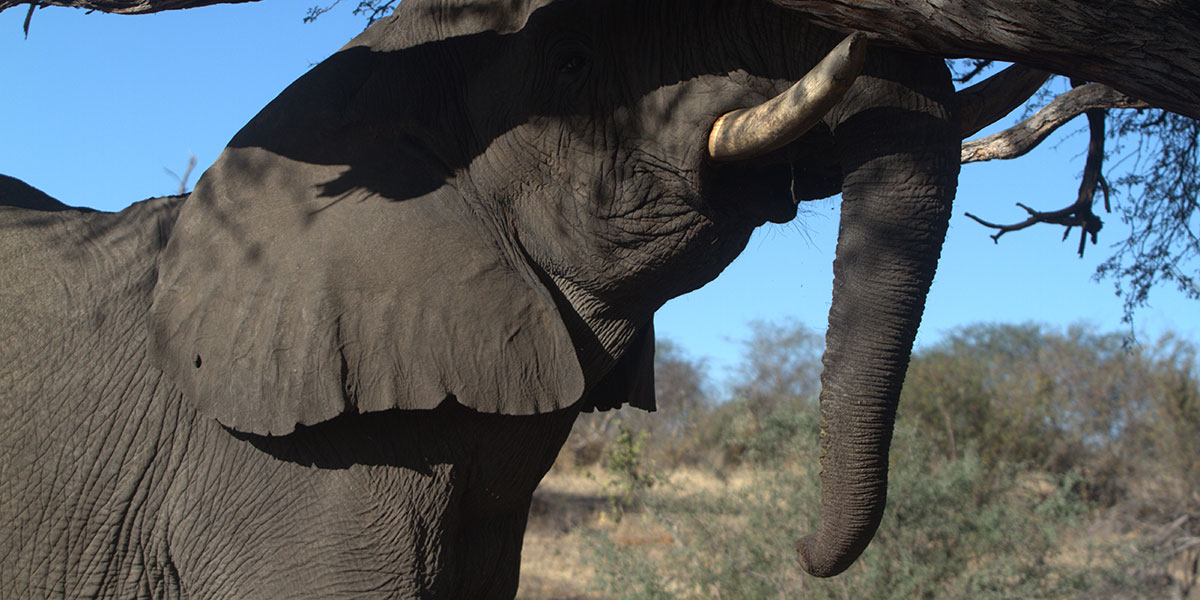
We spent a quiet night in a Makgadikgadi campsite after an afternoon of gentle, wholly exclusive game viewing along the river and in the area around the camp. An elephant bull shook a giant camelthorn tree to dislodge its seed pods – like giving it a tickle and watching it tremble with a giggle. He moved closer to us and we could hear the crunch of his teeth and the well of his breath. He must have heard some human heartbeats in return. →


Elephant at Makgadikgadi Pans National Park - by The Safari Store

Tusk and Trunk
This elephant's camelthorn pod collection strategy wasa strategy of tusk and trunk - on a trunk of a different kind.

Shop Safari Jackets & Fleeces >


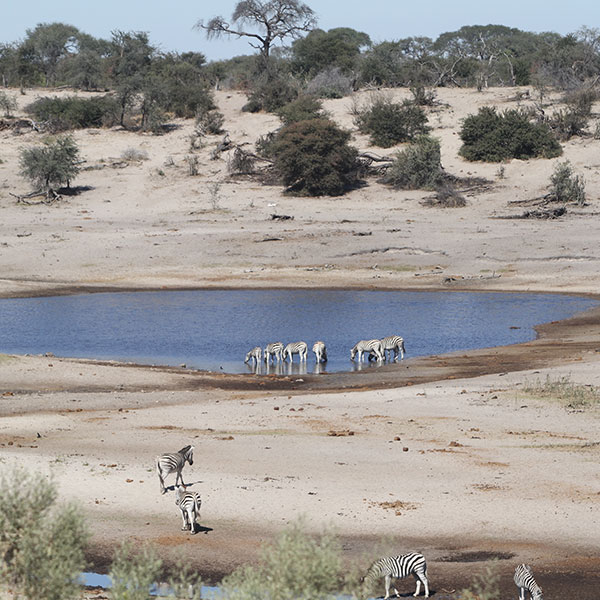
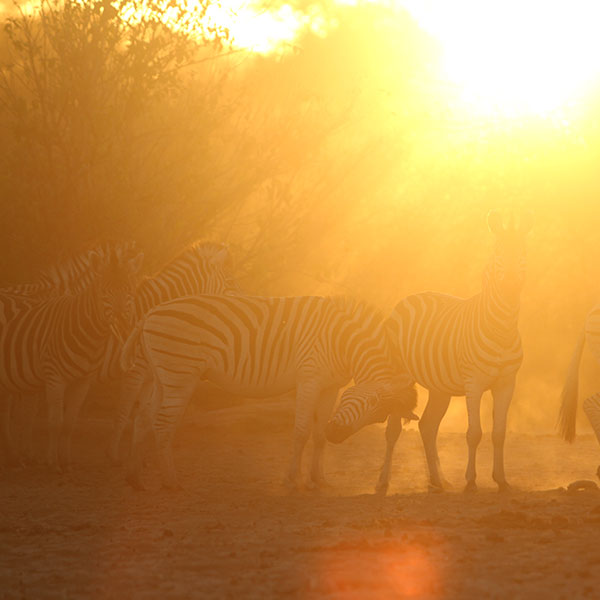
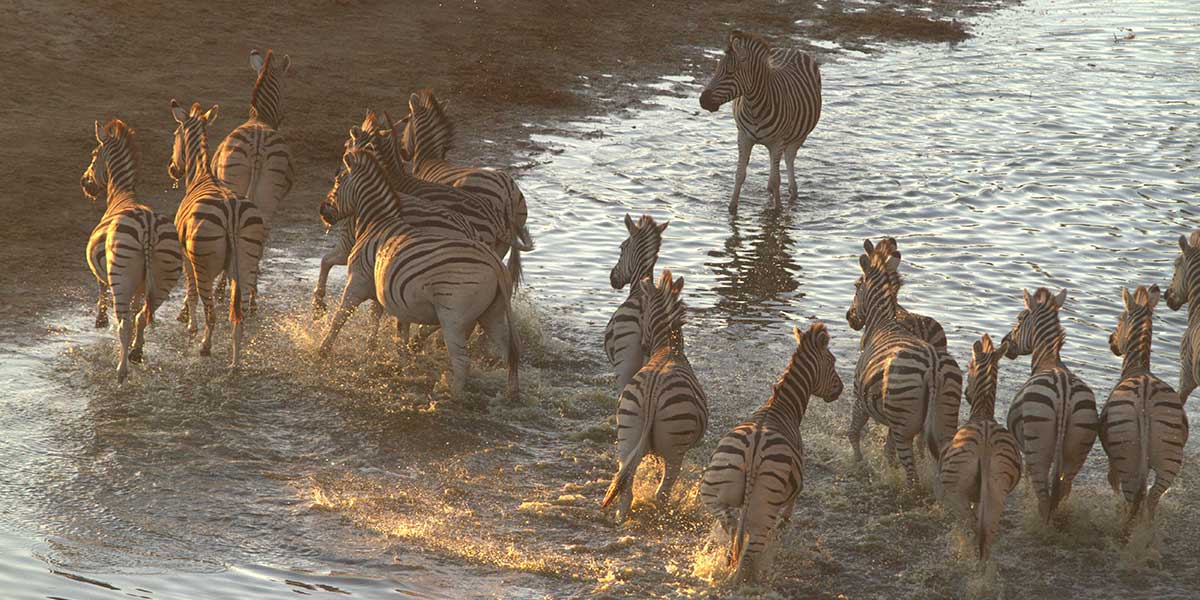
Down at the river at sunset, we saw herds of zebra drinking from the river’s last pools, kicking through the dust in single file. The sunset and dusk colours exploded around them in golden dust and sprays of pink water droplets. They started at any sound or movement, moving like a tide in an ebb and flow of fear: retreat at speed and a watchful return. Their muzzles touched the glass surface of the water, giving no hint of drinking. As the afternoon shadows in the gully stretched out, the dazzle’s patterns of black and white lengthened in reflections.


The next morning, we would follow the river, watching different game around the pools of the palm-lined, mostly dry riverbed. Even here, away from the pan, daylight intensified into white-hot light. Wildlife congregated. The quiet was absolute. Flanked by scorched palms, this was the furthest thing from a resort or a Californian beach. The hulk of crocodiles on the banks sunned themselves, open-mouthed and unmoving.


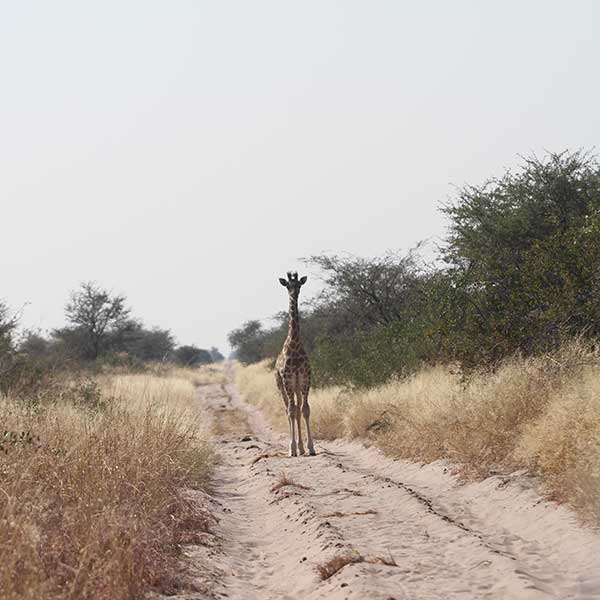
We left the Boteti River, skirting a series of saltpans and slowly driving through grassland to our next camp. We cut through tall yellow grass on dusty sand tracks – alone except for the odd giraffe, a gemsbok, some wildebeest. The landscape would open up into pan and dissolve into grass. Copses of palms added to the Y-axis of this flat land. Sometimes these groves were so mirage-like you’d almost believe you were driving towards the skyscrapers of some ancient city in Delft blue on the white-hot horizon. It’s easy to understand the almost Bedouin styling of the gorgeous camps in this area – the uniqueness of the desert setting defying country names or borders. →

Zebras at Makgadikgadi Pans National Park - by The Safari Store


The landscape would open up into pan and dissolve into grass. Copses of palms became the Y-axis of this flat land.
Botswana Zebra Migration, Makgadikgadi - by The Safari Store

Drops and Dashes
In an explosion of droplets coloured by the sunset, there is a code of confidence to zebras drinking in the last of the afternoon light.

Shop Safari Clothing >


Giraffe Makgadikgadi Pans National Park - by The Safari Store

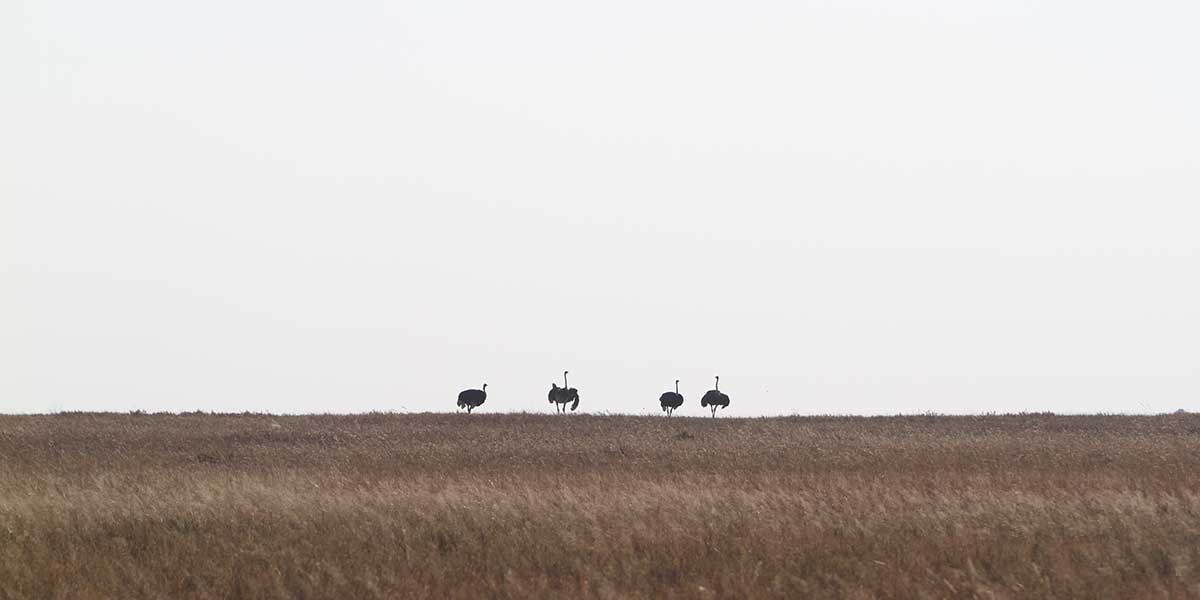
Ostriches created their own spikes to the flatness of the horizon, their ruffling wings like pinwheels of nature. Walking in a long line, they looked like a study of ostriches in different poses until they became silhouette and eventually a memory.


Alone in the campsite that night, we looked out into the perfect nothingness of the pan. This is an easy place to forget the rest of the world, disappearing as sunset blurs the edges of the horizon. →


Shop Sun Protection Clothing & Accessories >


Ostriches, Makgadikgadi Salt Pan - by The Safari Store

Heartbeat on the Horizon
The landscape may be flat, but it is certainly not lifeless. Seeing birds and wildlife on the horizon is like a pulse of life that is a marvel of survival in this barren land.

Shop The Best Insect Repellent For Safari >


Sunrise at Kubu Island, Makgadikgadi - by The Safari Store

Full-Power Sunrises
Waking up early on Kubu Island comes with the reward of the most spectacular sunrises. The silence, stillness, and emptiness of the pan around you - the perfect way to load the day.

Shop Travel Accessories >


How to Prepare for a Makgadikgadi Pans Safari

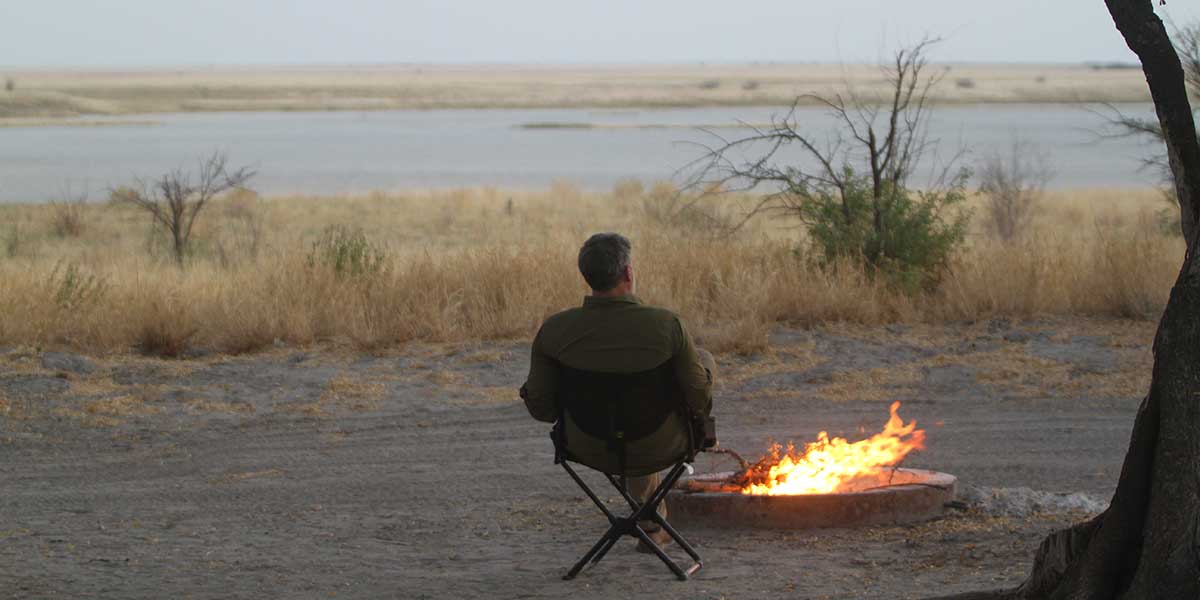
Camping at Tree Island Campsite, Makgadikgadi - by The Safari Store

Tree Island
The very rustic campsites at Tree Island are the perfect spot to take in the magic of Makgadikgadi for the night. The campsite was empty when we were there - just us, the view, and the crackle of the fire.

Shop Safari Hats >


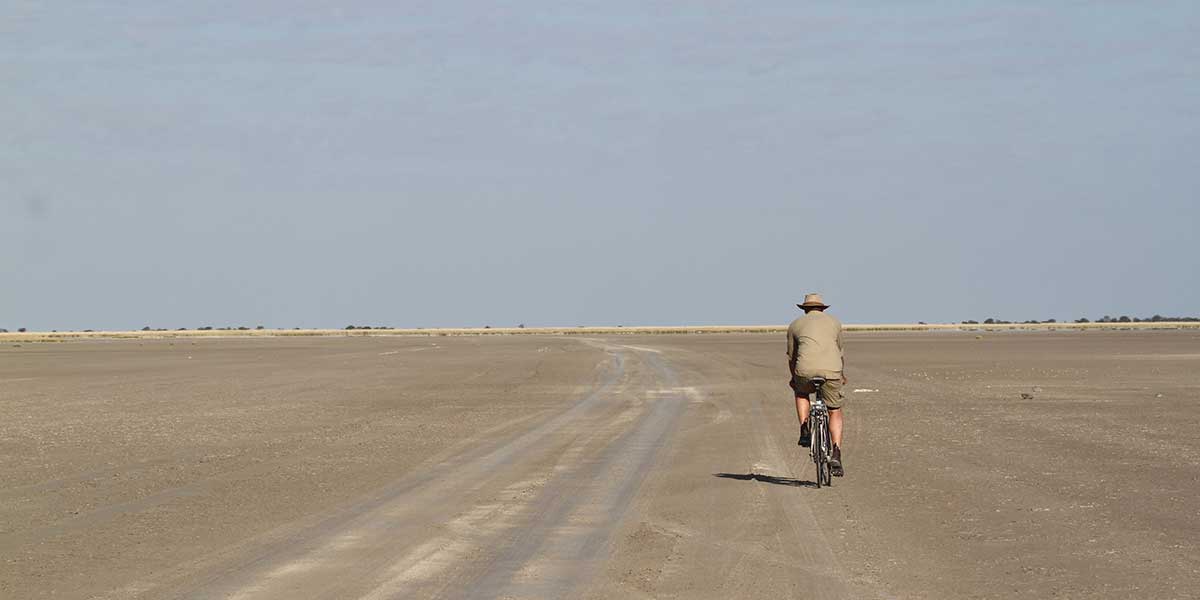
Riding Makgadikgadi Pans - by The Safari Store

Adventure Cycles on Repeat
Always keen to put our gear to the test, our founder rode on the track across a section of the pans.

Read our Expedition-Tested Stories >


Makgadikgadi Wildlife at the Boteti River - by The Safari Store

Wildlife on the Move
During the dry season, the Boteti River becomes a series of small pools and waterholes - usually guiding a flow of wildlife in search of water.

Shop Soft, Strong Safari Bags >


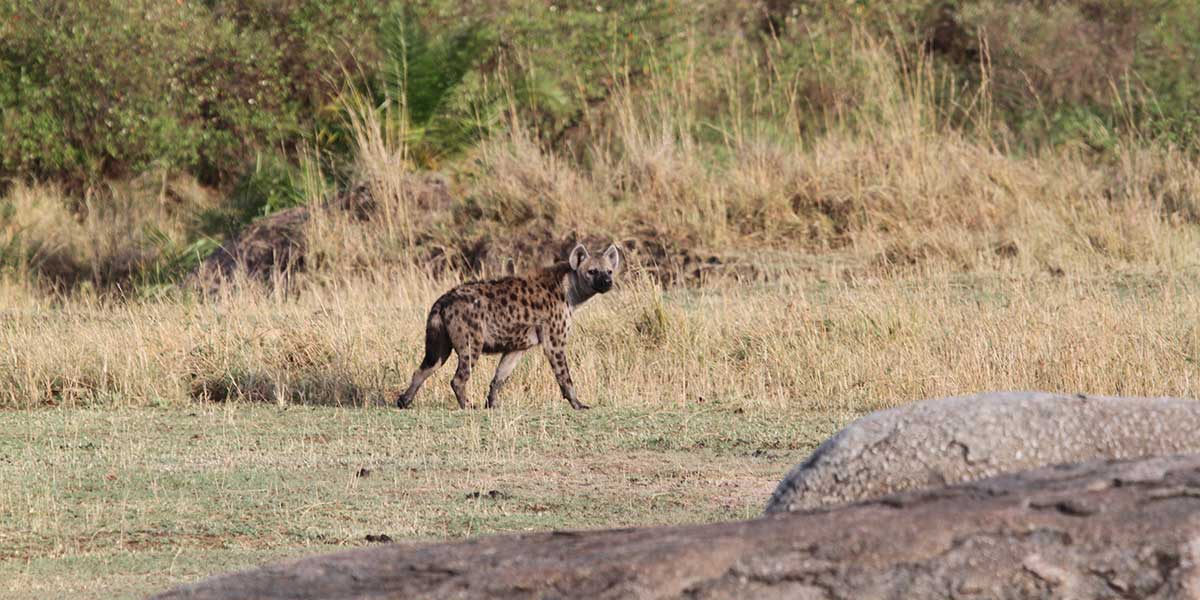
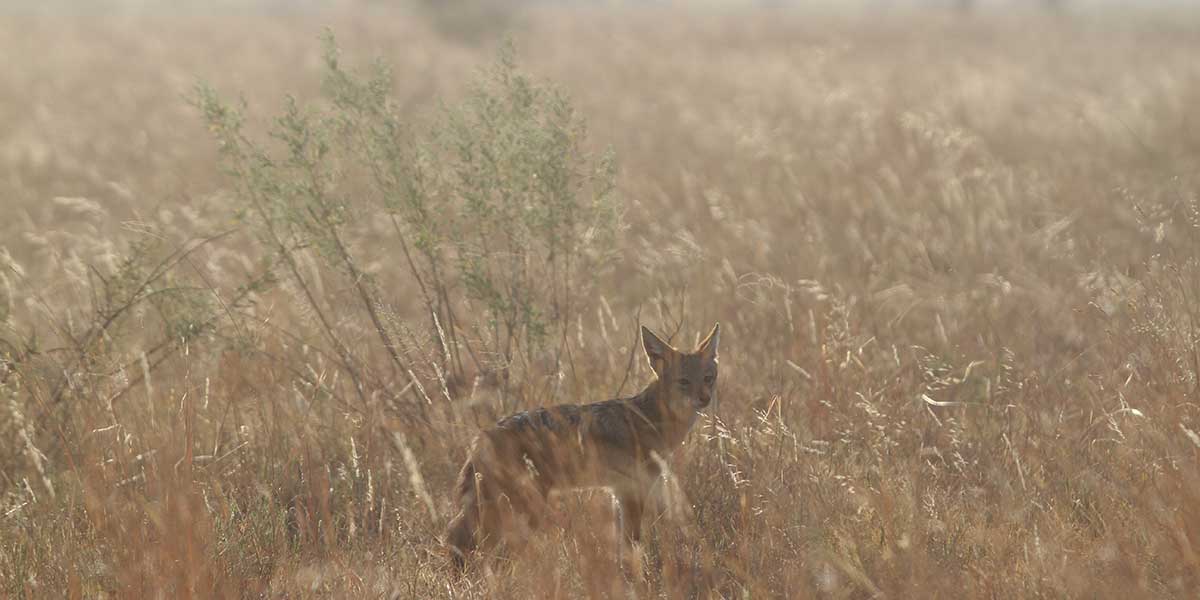
Jackal, Makgadikgadi Pans National Park - by The Safari Store

Species, Seasonality, and Seclusion
The Makgadikgadi Pans National Park provides a seasonal habitat for wildlife.

Shop Safari Accessories >


Botswana Links:
Chobe National Park | Chobe Riverfront | Savuti | One Night In Linyanti | What To Pack For Chobe, Savuti, and Linyanti | Quick Travel Tips for Chobe National Park | The Magic of Nowhere: Destination Inspiration from Mabuasahube in Botswana | Moremi Game Reserve | Khwai Concession | What To Pack For The Okavango Delta | Okavango Delta | Quick Travel Tips for the Okavango Delta | The Okavango Panhandle | Steve's Off The Beaten Track Safaris: Okavango Delta | Mokoro on the Okavango Delta | Painted Elephants and Famous Painted Trees in Nxai Pan National Park | What To Pack for Nxai Pan | Quick Travel Guide to Nxai Pan


Share this story: Facebook X LinkedIn Email