

Quick tips and information to get ready for your Makgadikgadi Pans National Park adventure
Stories: ALL | ADVICE | EXPEDITIONS | DESTINATIONS | NEWS | PROJECTS
Quick Guide to Makgadikgadi Pans National Park
A Traveller's Guide to Makgadikgadi National Park
Makgadikgadi Travel Advice Links:
Where is Makgadikgadi Salt Pan Located? | When To Go to Makgadikgadi | What To Pack for a Makgadikgadi Safari | Makgadikgadi Safari Activities | Makgadikgadi FAQs |
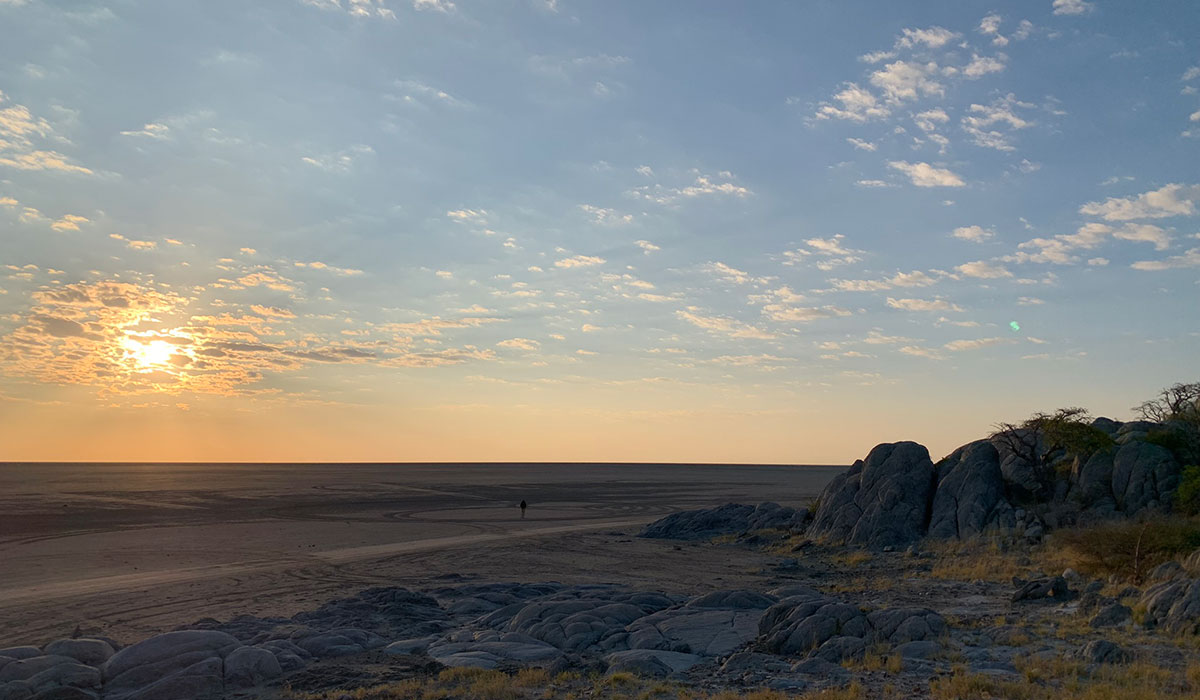
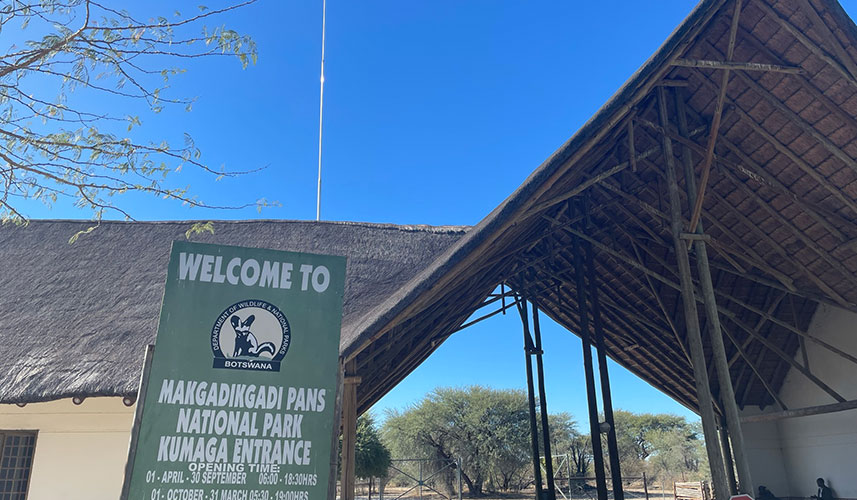
Makgadikgadi National Park (and neighbouring Nxai Pan National Park) is not a regular on many Southern African safari itineraries. If you are visiting Northern Botswana and are willing to tear yourself away from ‘Big Five’ searching in Chobe and on the Okavango Delta, this incredible landscape is a rewarding destination for African travellers – completing a picture of the region in its vastness and history.
Shop Safari & Travel Clothing >
Where is Makgadikgadi National Park Located?
Makgadikgadi National Park and its incredible salt pans are located between Maun and Francistown in northeastern Botswana. Featuring huge salt pans, this landscape is exquisitely juxtaposed against the Okavango Delta, Chobe, and Botswana's Kalahari Desert. Today, Makgadikgadi National Park covers 4900 square kilometres of preserved land, protecting precious wildlife corridors, cultural and natural heritage.
What Makes Makgadikgadi Special?
- The World's Largest Salt Pans: Makgadikgadi was once the site of a gigantic inland sea that dried up thousands of years ago. Today, what was once covered with water has been replaced with some individual large salt pans and thousands of smaller ones - a dramatic, baked, flat landscape with contrasting wet and dry seasons.
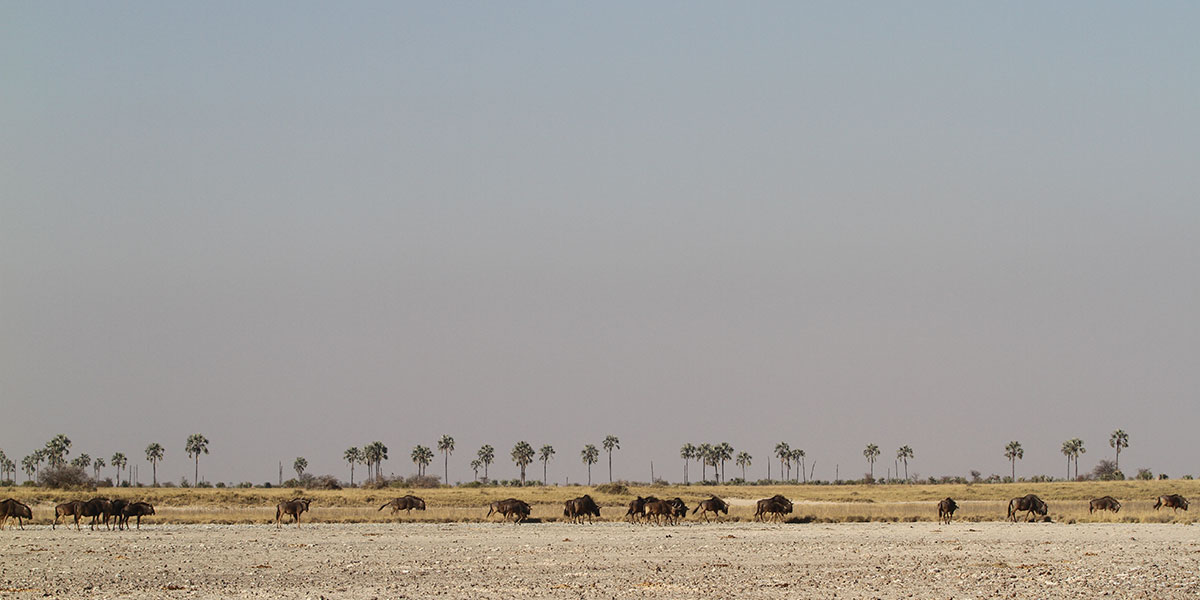
- Host to Botswana's Extraordinary Zebra Migration: After East Africa's Great Migration, Makgadikgadi and Nxai Pan are the setting for two zebra migrations. Huge herds of zebra follow two ancient migratory routes. The Chobe-Nxai Pan route sees herds of around 20 000 zebra congregate near the Chobe floodplain during the dry season, moving south to Nxai Pan in response to the rains in December. They stay in the Nxai/Makgadikgadi area for around three months before heading north again to Chobe and beyond into Namibia. These zebra cover a distance of around 1000km. The Okavango-Makgadikgadi route sees zebra do a round-trip of around 500 kilometres from the Okavango Delta and Moremi Game Reserve to Makgadikgadi. The herds stay around the Okavango floodwaters until the rains in November or December before heading to Makgadikgadi's western boundary and back to the Delta in around February or March.
- A Wildlife and Landscape Photography Hotspot: When it comes to Africa's astounding landscapes, Makgadikgadi is unquestionably unique. While there is potential for good game viewing in the park - especially around the zebra migration - it is the stark, almost surreal salt pan scenery that makes it an unforgettable experience.
- Rich in Cultural History: Makgadikgadi is named for being a large, lifeless land. Imagine survival in this environment. Nonetheless, Makgadikgadi is a site of archaelogical and cultural importance. Taking part in the cultural activities in the area gives the pans a unique human context, showing how people have had to adapt to this hostile environment for survival.
- A Conservation Stronghold: Makgadikgadi preserves ancient migration routes and provides essential natural habitat for wildlife in the KAZA region of Southern Africa. This is an important site for understanding arid ecosystems and the biodiversity they house. The salt pan complex is also a significant wetland system and an important breeding site for flamingos. Tourism also plays a pivotal role in safeguarding natural spaces like Makgadikgadi, with sustainable models supporting communities and conservation.
When is the Best Time to Visit Makgadikgadi National Park?
Makgadikgadi is a year-round destination. When it comes to deciding on the best time to visit, this always depends on what kind of traveller you are and what you're after. Seasonally, Makgadikgadi has different things to offer - with very different experiences to be had depending on what time of year you visit.
- Wet Season: November to March. From around the end of November to March is the wet season in Makgadikgadi National Park - typified by high heat and lots of rain. The zebra migration is seasonally driven and the rains play a central role in their movements. Obviously, if you are keen to see the dry salt flats, this is not the time. Animals gather and migratory birds congregate as the pans fill. Every year, we also see pictures of people getting very badly stuck in self-drive rentals on and around the pans. Find out about the suitability of driving before you leave. Some seasonal camps close and some activities cease over this time. We do not recommend driving onto the salt pans in the wet season.
- Dry Season: April to October. The dry season is the best time to game view along the Boteti River. If it is stretching views of the dry salt pans you are after, this is better achieved during the dry season. During the peak dry season, the pans themselves (and more of the pans) are more accessible and there are cooler, more moderate temperatures from May to August.
Makgadikgadi Packing Advice:
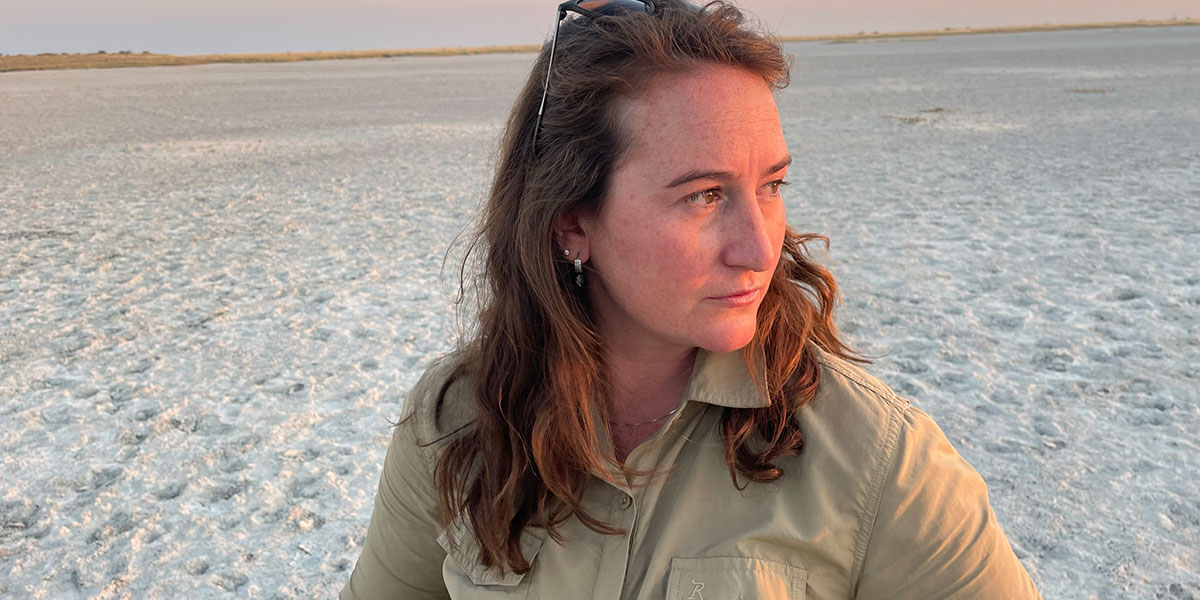
Depending on the time of year you travel, what you pack will depend on the seasonal conditions in the area. From preparing for wet season heat and rain to the arid, desert-like conditions of the dry season, packing a few essential items will ensure you are prepared for your Makgadikgadi adventures. Read our full Makgadikgadi packing advice for in-depth expert tips and use our safari packing list tool to generate your own safari packing checklist.
What To Do in Makgadikgadi
- Game Drives: The wildlife in Makgadikgadi are adapted to the conditions of the area. This is a very unique setting for game drives, with the chance to see everything from antelope and ungulates to lions, elephants, and brown hyena.
- Photography: While Botswana is revered as a wildlife destination, it is arguably the landscapes that will be the most enduring part of the trip. Whatever pulls you to the idea of Makgadikgadi, there is a range of unique photographic opportunities on offer.
- Meerkat Interactions: Meerkats should be on the wishlist of every safari-lover - and the semi-habituated meerkats of Makgadikgadi are a great way to witness their behaviour against the backdrop of this exquisite location.
- Horse Safaris: If you are looking for a one-of-a-kind equestrian experience, a horse safari in Makgadikgadi is like riding on the moon. This is the living definition of wide open spaces - and multi-day expeditions and all-level outrides are available through different operators.
- Quad Biking: For a high-octane way to traverse as much of Makgadikgadi as possible, quad biking is a popular activity at Makgadikgadi. With up to multi-day excursions on offer, explore more in this open and expansive scenery.
- Stargazing: Daytime terrestrial experiences give way to celestial magnificence at night in Makgadikgadi. This is an incredible destination for clear, unimpeded stargazing - a chance to take in the Milky Way and glorious African night skies. Trying your hand at star photography? Makgadikgadi is a favourite spot for star trails and star photography - and the baobabs at Kubu Island add iconic African mystique to every image.
- Cultural Experiences: Going on a walk with a San guide connects Makgadikgadi's ancient culture, sites, and traditions. These enriching excursions give a deeper understanding of life on the pans and support sustainable community and conservation initiatives.
- Desert Sleepouts: A top offering by some of the operators at and around Makgadikgadi is a desert sleepout. The pans take on a character of their own after dark and this soul-stirring experience redefines exclusivity and remoteness.
- Scenic Flights: Exploring at ground level is amazing. Exploring from the air gives you a bird's eye view of the true expansiveness of Makgadikgadi's salt flats. Whether you are taking in the landscape or the stretching herds of the zebra migration, an aerial safari adds a full-dimensional view to this incredible destination.
Makgadikgadi Safari FAQs
- What is the Difference Between Makgadikgadi and Nxai Pans? Nxai Pan National Park is located on the northern edge of the Makgadikgadi basin. Located at the site of the now dry prehistoric Lake Makgadikgadi, Makgadikgadi Pans are salt pans, while Nxai Pan features grass-covered fossil pans and acacia and mopane groves. Nxai Pan and Makgadikgadi National Parks are neighbours.
- What is the Meaning of Makgadikgadi? Makgadikgadi means a vast, open, or lifeless land. This is one of the largest salt flats in the world, evolved from a dried out prehistoric lake.
- How Old is the Makgadikgadi? Lake Makgadikgadi is said to have been created approximately 2 million years ago. The lake filled to capacity over time. 20 000 years ago, the lake started to overflow, creating a new outlet and leading to lower water levels in the lake. This was followed by a time of climactic change, with increased evaporation and lower water levels in rivers feeding the lake. The drying of the lake was exacerbated by tectonic shifts that further impeded the inflow of water and it evaporated around 2 000 years ago.
- Where is the Largest Salt Pan in the World? Makgadikgadi in Botswana is home to the largest salt pans in the world, covering more than 16 000 square kilometres.
- Is there Malaria in Makgadikgadi Pans? Makgadikgadi is in a high-risk malaria area in Botswana. The risk intensifies during the wet season. Look into malaria prevention before you travel and cover up in anti-insect clothing and use a reliable insect repellent during your stay.
Makgadikgadi National Park Story
Read our Makgadikgadi National Park story to find out more about this otherworldly, panoramic safari destination in Botswana. Get destination inspiration for this safari destination by reading our Makgadikgadi safari story.
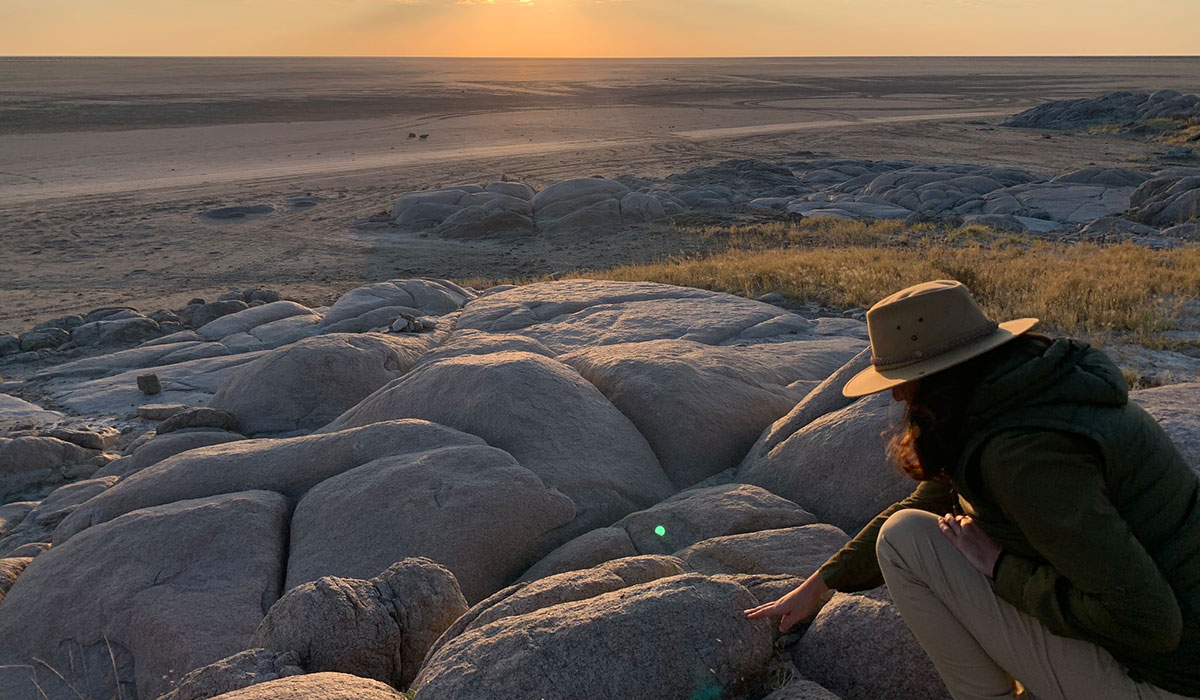
What To Pack for Makgadikgadi
Get the guide and expert safari packing tips for a trip to Makgadikgadi National Park. Use our advice and get a safari packing checklist for this unique Botswana destination. Read the Makgadikgadi packing advice.
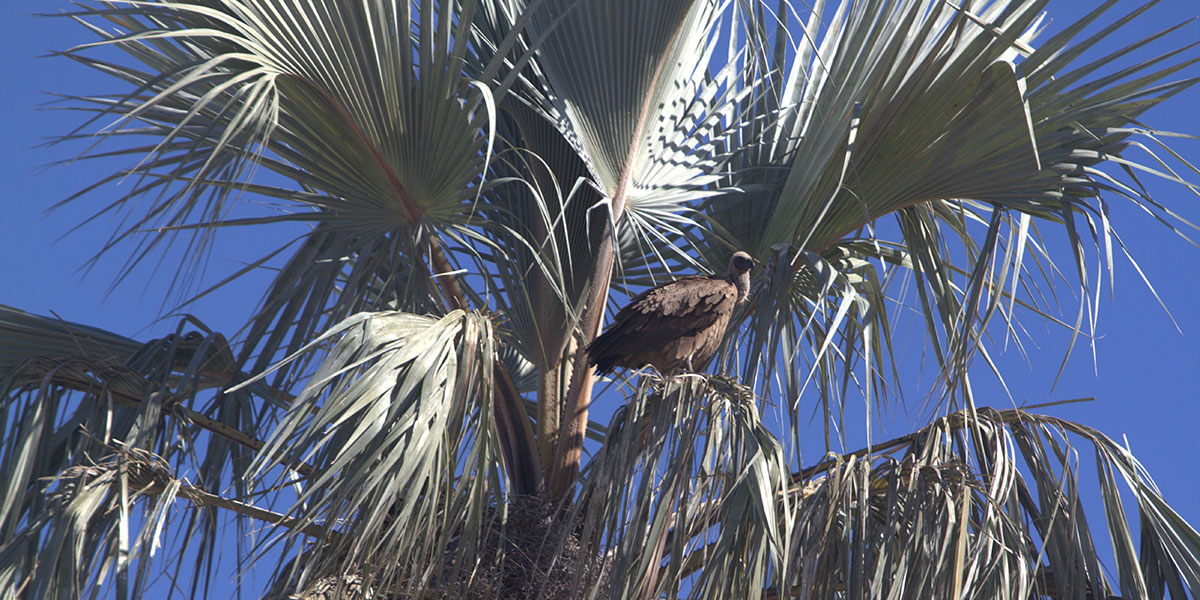
Botswana Links:
Chobe National Park | Chobe Riverfront | Savuti | One Night In Linyanti | What To Pack For Chobe, Savuti, and Linyanti | Quick Travel Tips for Chobe National Park | The Magic of Nowhere: Destination Inspiration from Mabuasahube in Botswana | Moremi Game Reserve | Khwai Concession | What To Pack For The Okavango Delta | Okavango Delta | Quick Travel Tips for the Okavango Delta | The Okavango Panhandle | Steve's Off The Beaten Track Safaris: Okavango Delta | Mokoro on the Okavango Delta | Painted Elephants and Famous Painted Trees in Nxai Pan National Park | What To Pack for Nxai Pan | Quick Travel Guide to Nxai Pan